

The Untold Story of Lewa’s Workshop and Its 30-Year Conservation Legacy
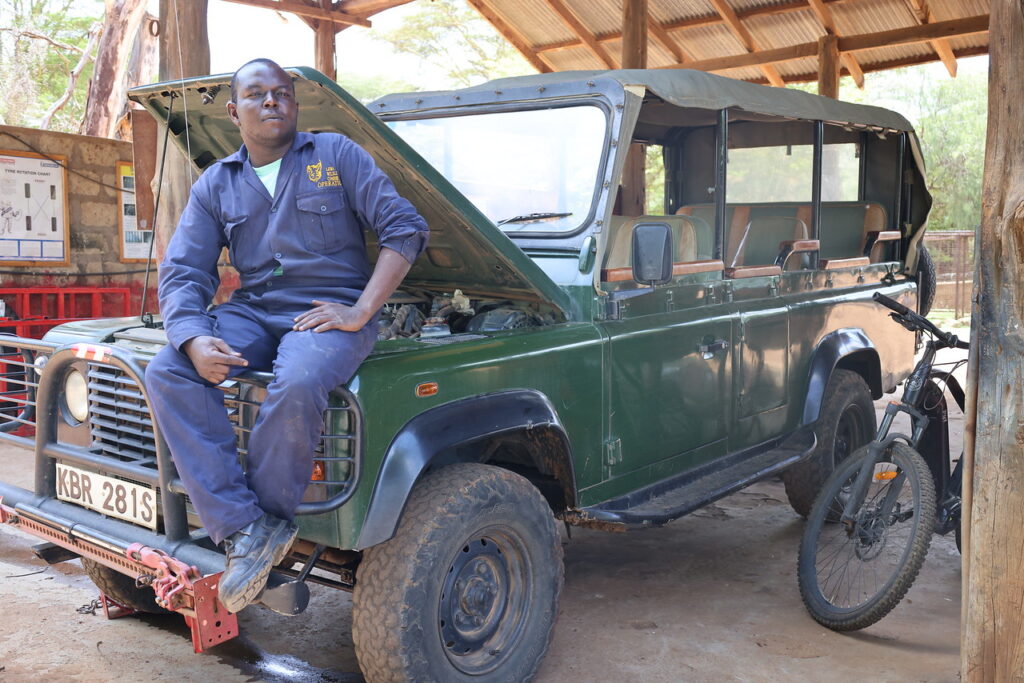
From the outset, Lewa understood the need for strong in-house technical capability. As Adrian Paul, Chief of Conservancy, explains, “Right from the beginning when it was a sanctuary, Lewa always had a workshop. We were too isolated from any towns, and they could not keep sending the vehicles elsewhere every time they broke down.” That small garage would, over time, become a central pillar of Lewa’s operations.
What started as a simple bush garage offering basic vehicle repairs became a lifeline for rangers and conservation teams working in remote terrain. A breakdown in the field could leave teams stranded, so the ability to fix issues on-site was essential.
Across the decades, that modest shed has evolved into a fully equipped technical hub that keeps the conservancy moving. Today, the workshop carries out fabrication, welding, painting, and full vehicle rebuilds. It also manages a shared fleet that supports wildlife patrols, community programmes, and tourism logistics, making it one of Lewa’s most indispensable assets.
Connecting the Landscape: Lewa’s 250 Kilometre Road Network
As the workshop expanded, so too did Lewa’s internal road system. Lewa now maintains a 250 kilometre network of internal roads that serve as a critical lifeline for security patrols, tourism, logistics, veterinary interventions, and major events like the Lewa Safari Marathon.
In the early years, teams relied on cattle tracks and bush paths. These limited access, slowed response times, and made wildlife protection more challenging. Over time, Lewa developed a structured road network designed for conservation response, community access, and visitor experience.
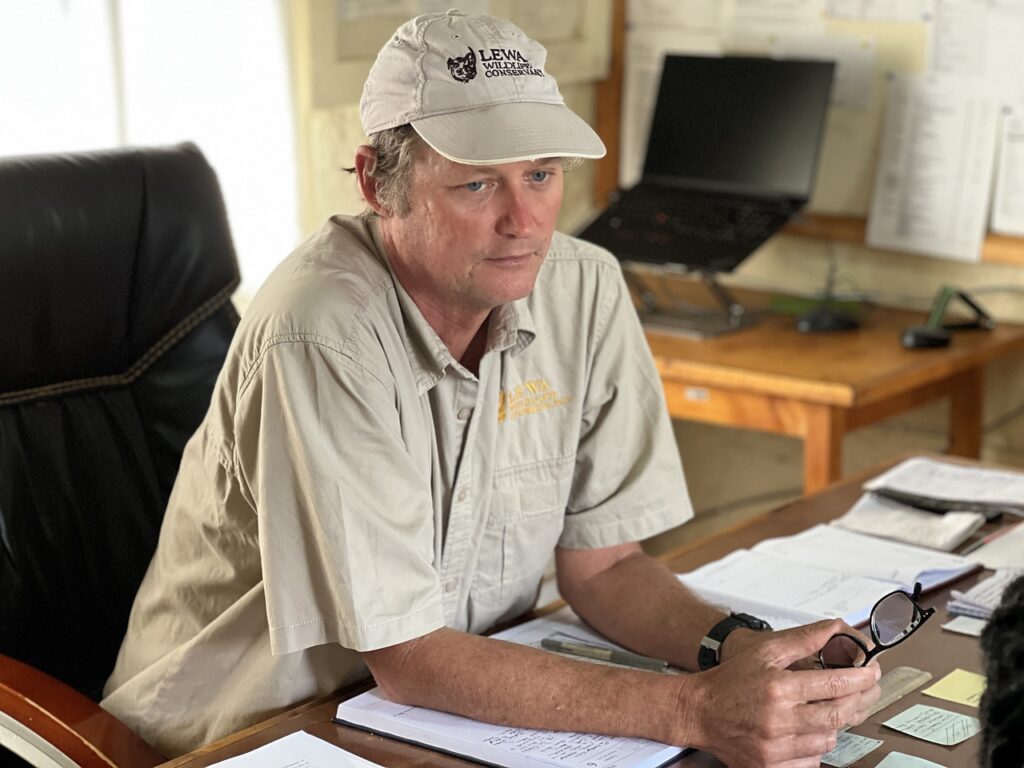
Adrian explains, “We have also opened more new roads for tourism over the years to make the conservancy more accessible and to offer better game drives, and also to make interventions faster and easier.”
Strategic Access by Road and Air
External access has advanced as well. The Lewa Airstrip, with its unpaved 4,100-foot runway, continues to support tourism, logistics, conservation response, and emergency operations. County-maintained roads linking Meru, Isiolo, and Nanyuki also ensure smooth connections to surrounding regions.
Roads play a key ecological role too. Designed with wildlife in mind, they minimise habitat disruption. As Adrian observes, “The roads do not affect the movement of most animals, but it has been observed that lions love to walk on the roads.” Roads also improve access to fences and corridors for routine maintenance.
Lewa’s infrastructure is part of a larger landscape connectivity plan linking the Mount Kenya Forest, Lewa, and the northern rangelands. This critical wildlife corridor supports free movement for elephants, lions, and other species and contributes to Lewa’s UNESCO World Heritage status.
The Fencing and Fabrication Force
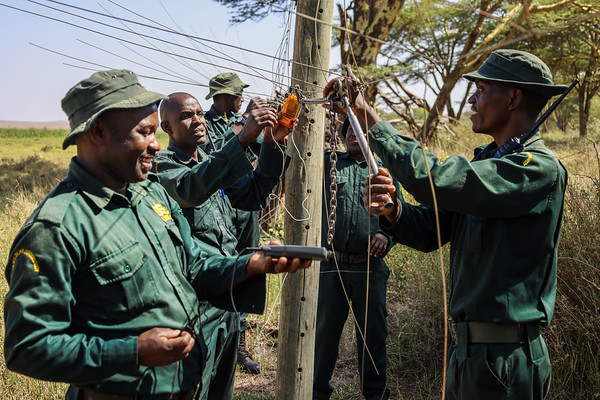
The workshop also oversees Lewa’s fencing teams, who operate much like ranger units. Each team member is assigned specific boundary sections and exclusion zones to monitor and maintain.
Community involvement is central. In Ntalabany (Isiolo County), residents collaborated with Lewa to design and build a 5.5-kilometre electric fence, demonstrating shared responsibility and co-existence between people and wildlife.
Digital Transformation: EarthRanger and Capacity Building
Lewa’s technical evolution now includes digital integration and continuous training. The workshop embraces modern skills development, including training with Toyota.
Adrian highlights the impact of the EarthRanger platform, which streamlines vehicle tracking, logistics, fence monitoring, and incident response. EarthRanger enables real-time visibility, improves accountability, and strengthens security coordination.
Rangers also receive training in basic maintenance, ensuring resilience during long patrols. Fencing teams report issues directly to the radio room, where they are logged and managed through EarthRanger. The system has become a model for other conservancies across Kenya.
The Backbone of Lewa’s Future
The growth of Lewa’s workshop and road network tells a powerful story of adaptability, innovation, and independence. From humble beginnings as a bush garage and rough cattle tracks, Lewa has built a robust, interconnected system that supports wildlife protection, tourism, community development, and day-to-day conservancy operations.
Today, the workshop is more than a facility. It is the beating heart of Lewa’s mission, quietly powering conservation work across the landscape. As Lewa celebrates 30 years of impact, the workshop stands out as one of the unsung heroes of Lewa at 30. It is one of the foundations upon which the next 30 years of Lewa’s conservation future will be built.