
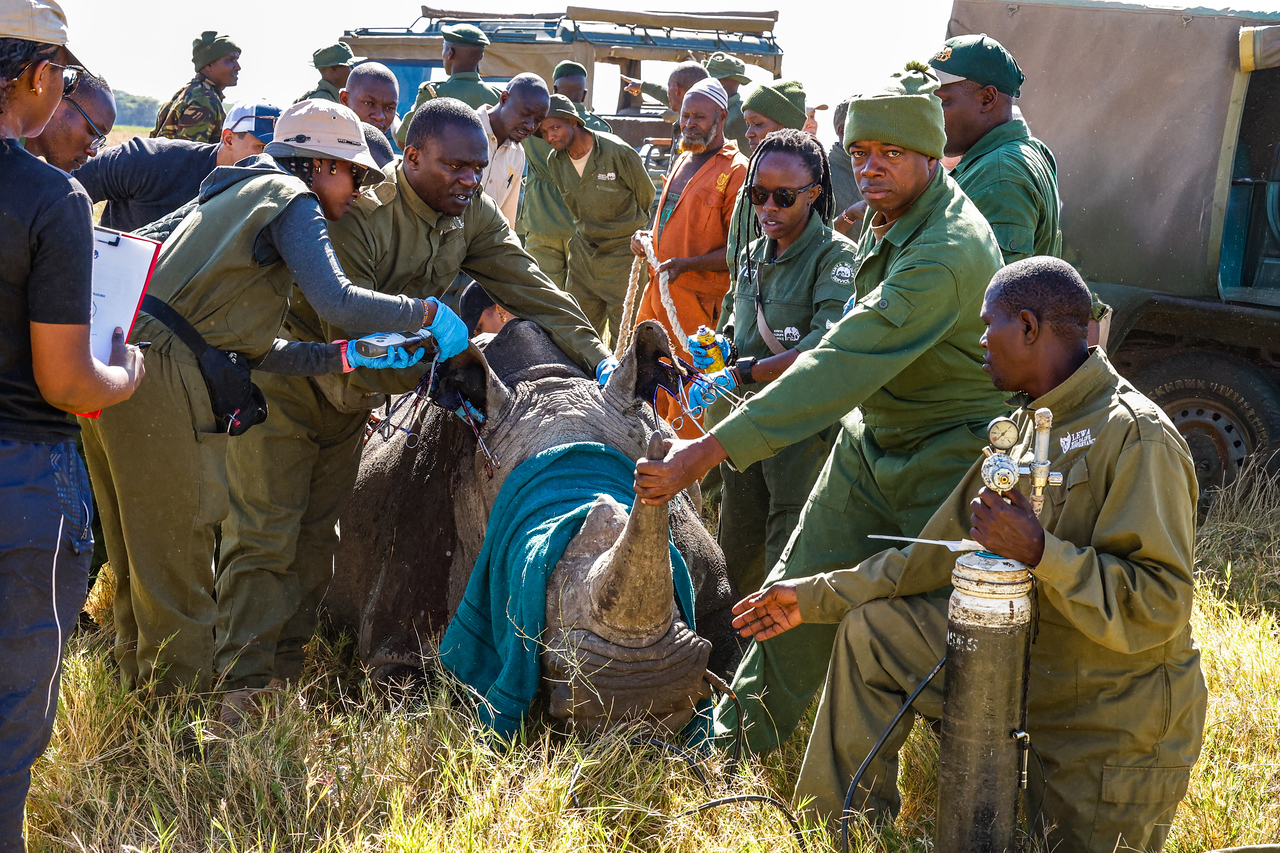
24 Rhinos Given Permanent IDs at Lewa-Borana Landscape
On the stunning Lewa-Borana landscape, a small army of vets, rangers, and conservationists just wrapped up one of the most important jobs on the conservation calendar: giving Kenya’s rhinos a permanent identity.
The plan was ambitious. Track down and mark rhinos across the conservancy, a mix of white and black rhinos, each one a critical data point in Kenya’s fight to keep the species thriving.
Over the course of the eight-day operation, Lewa’s ground crews and aircraft support worked closely with local conservation partners to locate and process as many rhinos as possible. By the time operations wrapped, the team had examined and marked 24 rhinos, a solid win under the circumstances.
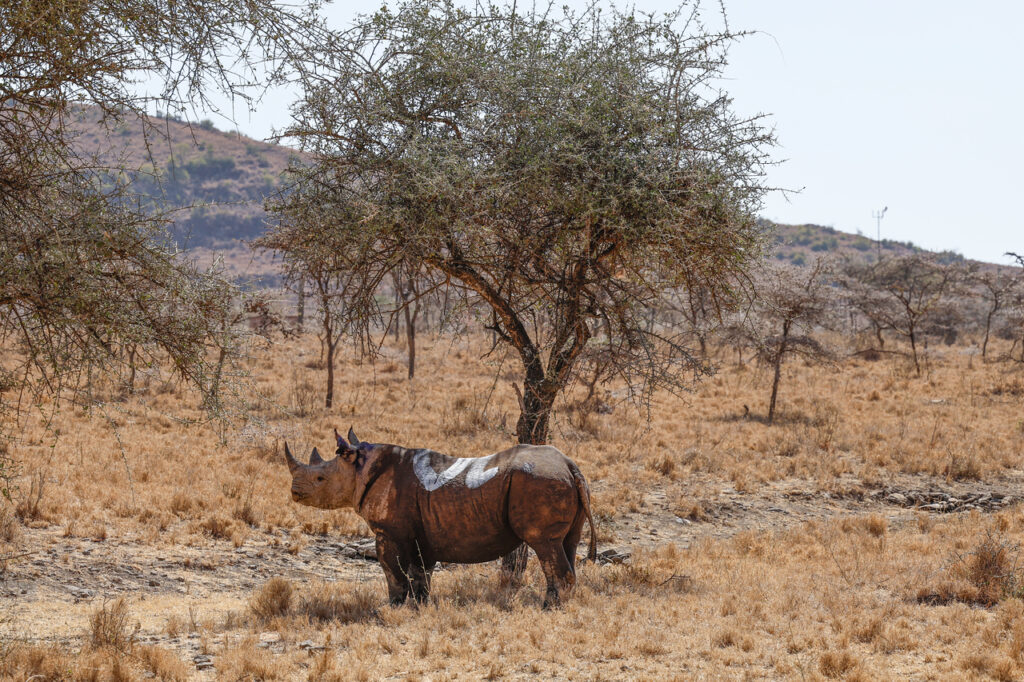
What “Notching” Actually Means
If you’ve never heard of rhino notching, think of it as nature’s version of a fingerprint, or maybe a name tag. It’s a well-established veterinary technique used around the world to give individual animals a permanent, recognisable identity.
Here’s how it works. While a rhino is briefly and safely sedated, vets make small, precise marks along the outer edge of its ears, not unlike ear-tagging methods used in livestock or companion animals. Each notch position corresponds to a specific number, and the combination across both ears forms a unique numeric code. That code gets logged into a national wildlife database, tied to the individual rhino’s name and profile.
The payoff is significant. Rangers and researchers can identify a specific rhino from a distance using nothing more than a pair of binoculars, without ever needing to approach or stress the animal. It’s a quiet, low-impact way to keep tabs on movement, growth, and long-term health across the population.
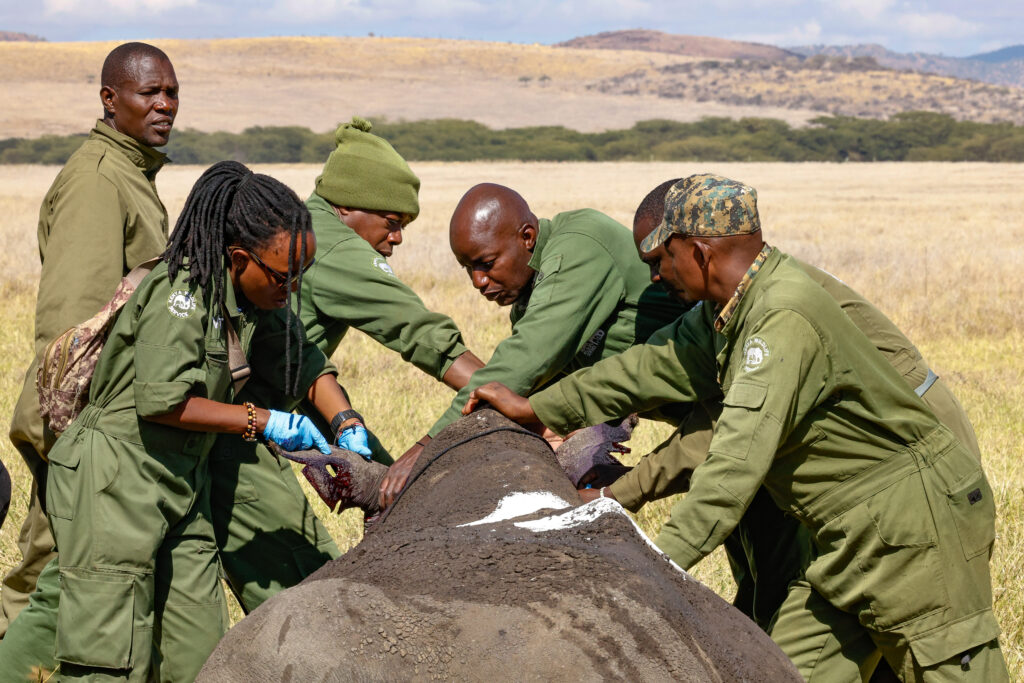
The brief window when a rhino is sedated isn’t used only for notching. It doubles as a mobile research lab. Veterinary teams take the opportunity to collect small blood, serum, and tissue samples, which feed into a national genetic library. That data helps scientists track lineage, monitor overall herd health, and stay a step ahead of potential disease threats.
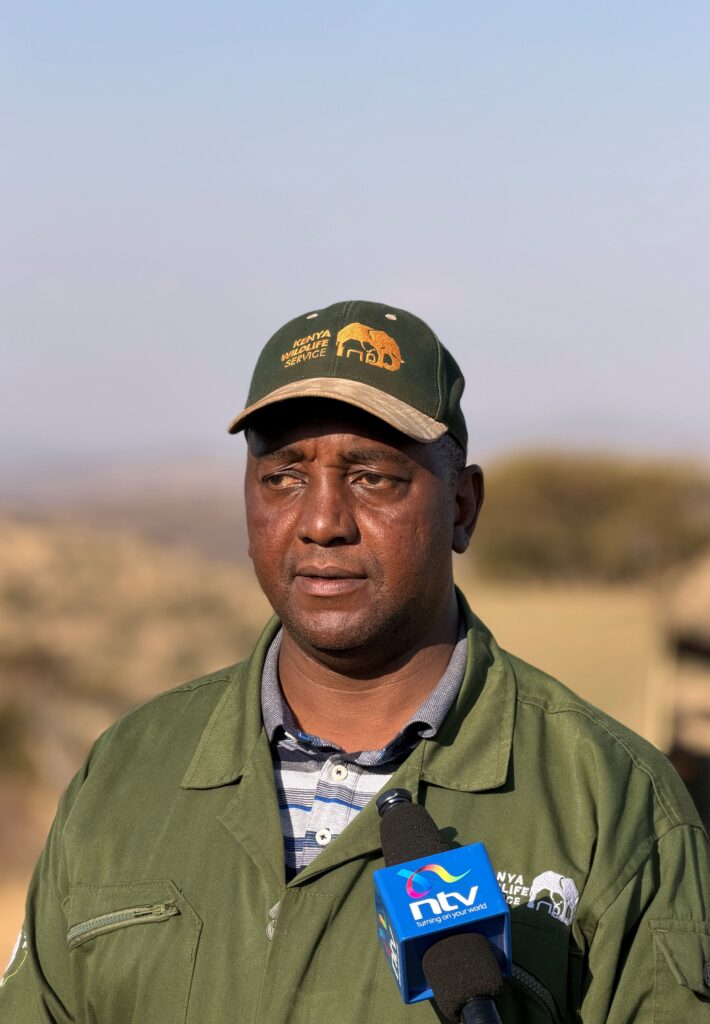
Dr Isaac Lekolool, Head of Veterinary and Capture Services at the Kenya Wildlife Service, explained why this matters so much at a national level. “Under Kenya’s Rhino Action Plan, the goal is to maintain identification marks on at least 60 percent of the rhino population, allowing field teams to recognise animals from afar without disturbing them,” he said.
Pulling off a rhino notching exercise is a genuine team effort. Spotters scan the terrain from the ground and the air to locate target rhinos. Once an animal is found in a safe spot, away from steep slopes or water, a field vet administers a fast-acting, reversible sedative.
From there, the clock starts ticking. While the rhino rests comfortably, the team runs through a full health check, collects genetic samples, and applies the ear notches, all within minutes. A waking agent then brings the rhino back to alertness, and it returns to the bush largely undisturbed. Throughout the entire process, crews keep close watch on the animal’s vital signs to make sure everything goes smoothly.
There’s a good-news story buried in the schedule itself. These identification drives used to happen only once every two years. But thanks to sustained anti-poaching work and habitat restoration, Kenya’s rhino population has been growing steadily, enough that conservationists now need to run these tracking and health exercises every single year just to keep up.
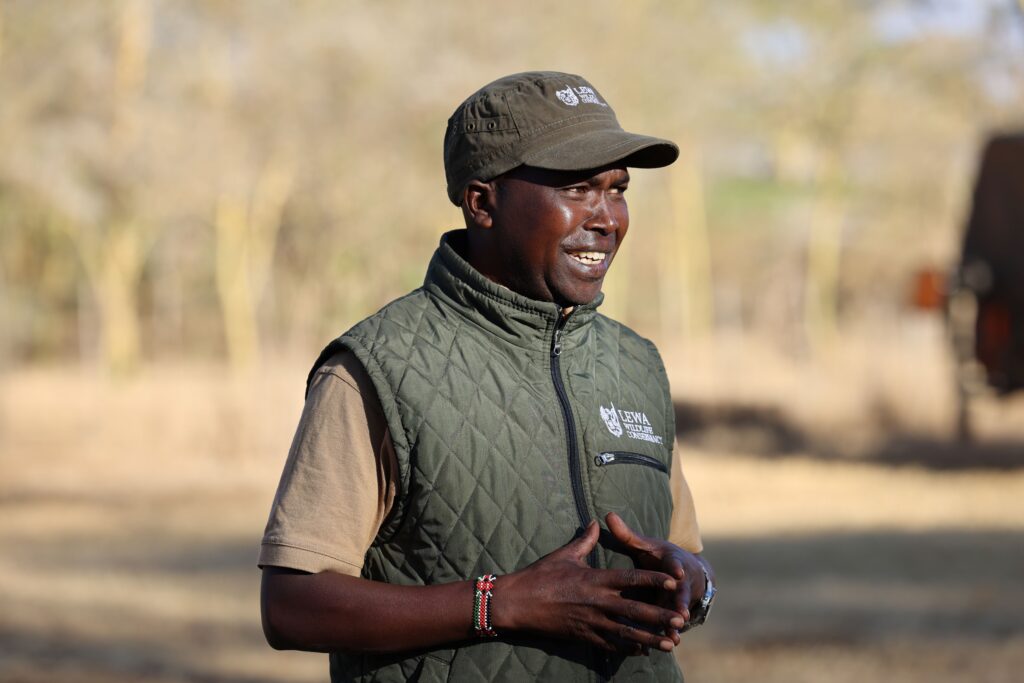
Dominic Maringa, Head of Wildlife and Conservation at Lewa, credits the operation’s success to teamwork across organisations. “It’s challenging but exciting when it’s a concerted effort of different stakeholders,” he said.
And 24 newly documented, genetically sampled, and permanently identifiable rhinos is a major win for Kenya’s conservation efforts and a reminder of the sustained work required to keep the species thriving for the long game.
Read Also: 46 Rhinos Notched in a Successful Operation on the Lewa-Borana Landscape